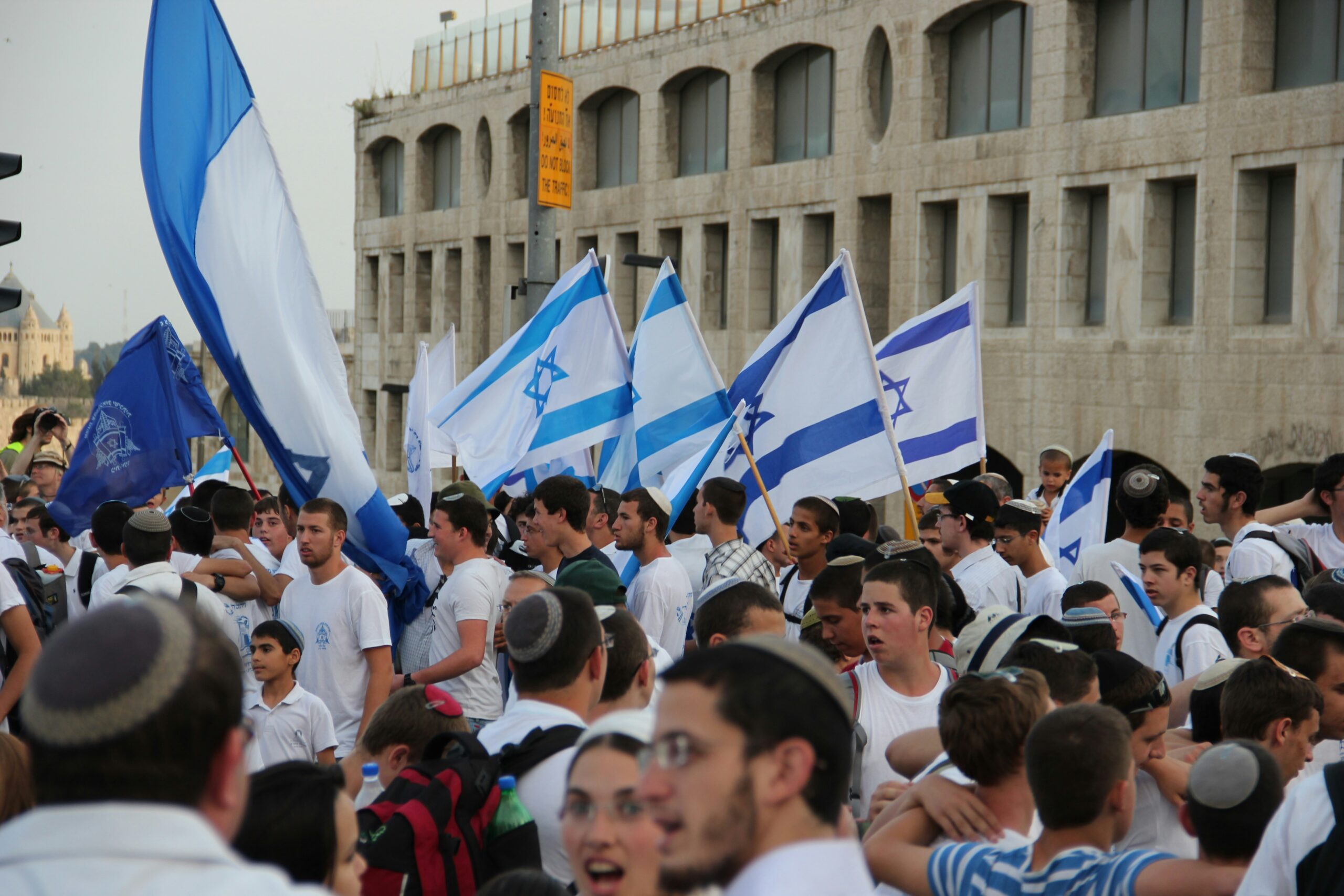
Across the global political and social landscape, advocacy related to Israel has become one of the most organized and visible forms of modern civic engagement. Supporters span across political ideologies, faith communities, academic institutions, and grassroots movements. Their goals vary, but they often center on promoting Israel’s right to exist, defending its security concerns, and shaping international narratives through diplomacy, media, and public discourse.
Understanding this form of activism requires looking beyond slogans and headlines to explore its motivations, strategies, and evolving influence in a highly connected world.
Historical Roots of Israel-Focused Advocacy
Support for Israel did not emerge overnight. Its foundations were laid in the mid-20th century following the establishment of the State of Israel in 1948. Early advocacy efforts were primarily focused on diplomatic recognition, humanitarian aid for displaced populations, and security assistance during regional conflicts.
Over time, these efforts evolved into structured organizations and networks, particularly in North America and Europe. Many groups formed to strengthen political alliances, encourage economic cooperation, and counter narratives they viewed as inaccurate or hostile to Israel’s legitimacy.
Key Motivations Behind Support Movements
Political and Security Concerns
One of the primary motivations for Israel advocacy is national security. Supporters often argue that Israel exists in a volatile region and faces persistent threats from hostile actors. Advocacy efforts frequently emphasize Israel’s right to self-defense and the importance of strategic alliances with Western democracies.
Cultural and Historical Connections
For many individuals, especially within Jewish communities, support for Israel is deeply personal. It is tied to shared history, cultural identity, and collective memory. This connection often fuels long-term engagement, education initiatives, and community organizing.
Religious Perspectives
Christian Zionism and other faith-based movements also play a significant role. These groups support Israel based on theological interpretations, viewing the state as central to religious beliefs and prophecy. Their activism often includes political lobbying, educational outreach, and fundraising.
Methods and Strategies Used in Advocacy
Political Lobbying and Policy Influence
Advocacy organizations invest heavily in political engagement. This includes meeting with lawmakers, supporting policy initiatives, and participating in elections through endorsements and campaign contributions. The goal is to ensure continued diplomatic, military, and economic support for Israel.
Media Engagement and Narrative Building
Modern activism places strong emphasis on shaping public opinion. Supporters use traditional media, social platforms, podcasts, and online publications to present perspectives on regional conflicts, peace negotiations, and humanitarian issues. Rapid response to breaking news has become a critical strategy.
Campus and Youth Engagement
Universities have become key battlegrounds for discourse about Israel. Advocacy groups organize student chapters, host educational events, and train young leaders to engage in debates and counter opposing viewpoints. This focus on youth ensures continuity and long-term influence.
The Role of Social Media in Modern Advocacy
Digital platforms have transformed how advocacy operates. Social media allows supporters to reach global audiences instantly, mobilize campaigns, and coordinate responses to emerging events. Hashtags, short-form videos, and infographics are commonly used to simplify complex issues and attract attention.
At the same time, the digital space has intensified polarization. Supporters must navigate misinformation, online harassment, and rapidly shifting public sentiment, making digital literacy and strategic communication essential skills.
Criticism and Ongoing Debates
No form of activism exists without controversy. Israel-focused advocacy is frequently criticized for overlooking Palestinian perspectives or downplaying humanitarian concerns. Critics argue that some advocacy efforts prioritize political loyalty over open dialogue.
In response, some organizations have adapted by promoting nuanced discussions, supporting peace initiatives, and acknowledging the complexity of the conflict. This shift reflects a growing recognition that sustainable advocacy must engage with multiple viewpoints.
Global Impact and Diplomatic Influence
The influence of Israel advocacy extends beyond domestic politics. It plays a role in shaping international resolutions, trade agreements, and diplomatic relationships. Support networks often collaborate across borders, reinforcing Israel’s position in global forums and international institutions.
This global dimension highlights how modern activism operates within interconnected political systems rather than isolated national contexts.
The Future of Israel Advocacy Movements
Looking ahead, advocacy related to Israel is likely to continue evolving. Younger generations are reshaping priorities, often emphasizing human rights, transparency, and ethical foreign policy alongside traditional security concerns. Technology will further redefine how campaigns are organized and messages are delivered.
The future success of these movements may depend on their ability to balance strong support with openness to dialogue, while adapting to a world in which public opinion is increasingly diverse and informed.
Support-driven activism surrounding Israel is a complex and multifaceted phenomenon. Rooted in history yet shaped by modern technology, it influences politics, media, and global diplomacy. By understanding its motivations, methods, and challenges, readers can better grasp how advocacy shapes one of the most discussed geopolitical issues of our time.
Whether viewed as a strategic necessity, a cultural commitment, or a moral stance, this form of activism remains a powerful force in contemporary global affairs.