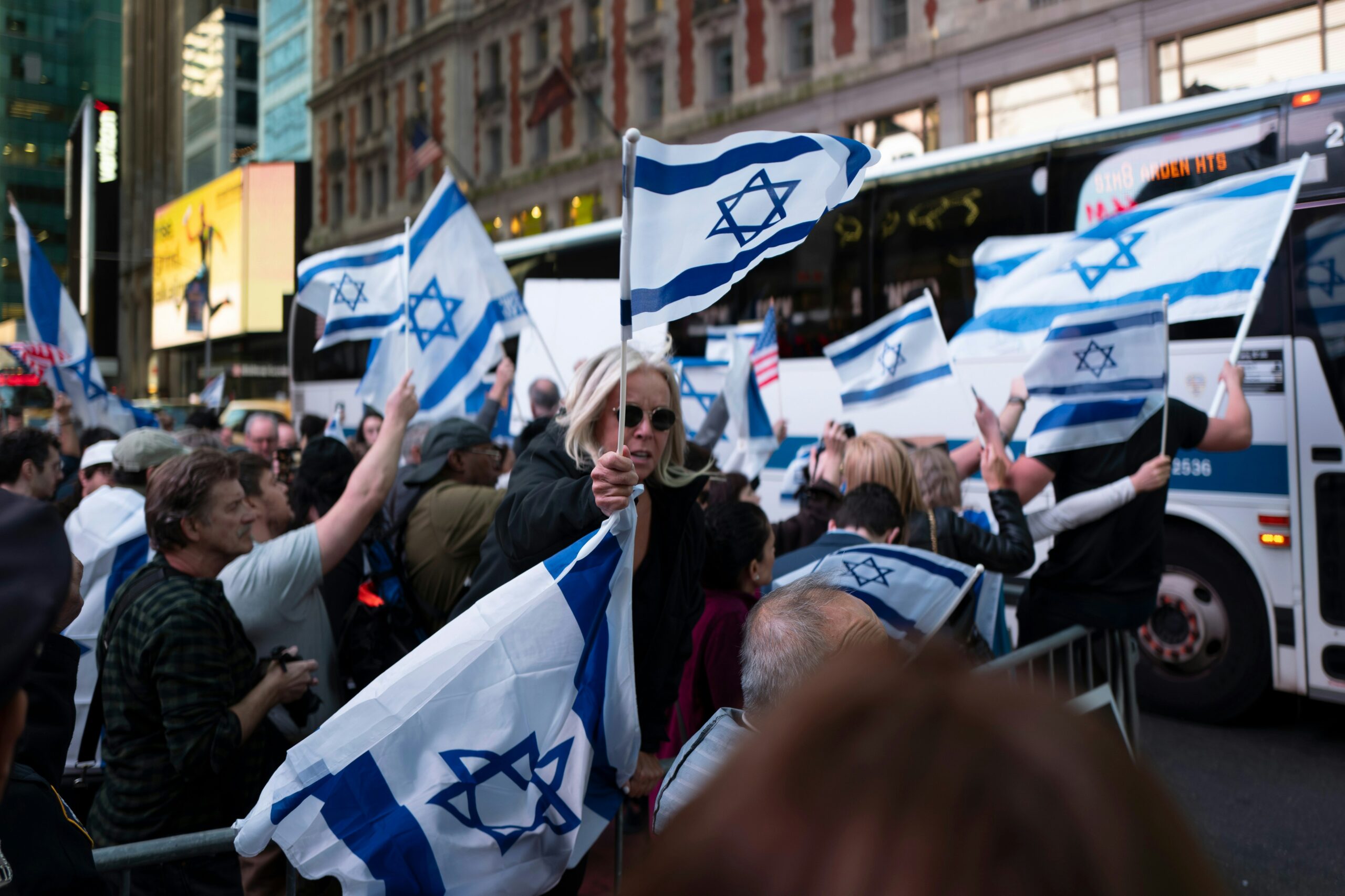
Across campuses nationwide, students are shaping a new chapter in civic engagement. Increasingly, they speak with confidence, clarity, and purpose. As a result, conversations about Israel now reflect student leadership, resilience, and informed advocacy.
Why Students Standing Up for Israel Matters on Campus
Students standing up for Israel now shape campus culture and public dialogue. Moreover, universities remain key spaces where political and moral ideas form early. Therefore, student voices influence future leaders, media narratives, and policy debates.
Additionally, many students see advocacy as a responsibility rather than a choice. They respond to misinformation with research and lived experience. Consequently, campus discussions become more fact-based and less reactive.
How Pro-Israel Student Activism Has Evolved
Pro-Israel student activism has shifted in tone and strategy. Previously, efforts focused on reactive messaging and event-based responses. However, today’s students prioritize long-term engagement and coalition building.
Moreover, student leaders invest in training and historical literacy. They learn to communicate clearly under pressure. As a result, activism becomes proactive, disciplined, and values-driven.
Campus Support for Israel Through Education and Dialogue
Campus support for Israel often begins with education. Students host panels, speaker events, and cultural programs. Therefore, peers gain access to context often missing from headlines.
Additionally, dialogue-based initiatives encourage respectful disagreement. Students invite questions rather than avoid them. Consequently, these efforts reduce polarization while strengthening credibility.
Students Standing Up for Israel Through Peer Leadership
Peer leadership plays a critical role in student advocacy for Israel. Student-led organizations provide structure, mentorship, and continuity. Moreover, these groups help new students find community and confidence.
As leaders, students model calm and respectful engagement. They challenge hostility without escalating conflict. Therefore, their approach earns trust from faculty and administrators.
Digital Platforms Amplifying Student Advocacy for Israel
Digital spaces now amplify student advocacy for Israel beyond campus borders. Students use social media to share resources, stories, and real-time responses. Additionally, digital content reaches audiences faster than traditional events.
However, students also face online harassment and misinformation. Therefore, many receive media training and digital safety guidance. As a result, their messaging stays consistent and credible.
College Israel Advocacy and Coalition Building
College Israel advocacy increasingly relies on coalition building. Students collaborate with diverse cultural, faith-based, and academic groups. Moreover, shared values create stronger alliances than single-issue campaigns.
These partnerships broaden support networks during tense moments. Therefore, advocacy feels less isolated and more representative. Consequently, students gain institutional backing and wider participation.
Emotional Resilience Among Students Standing Up for Israel
Students standing up for Israel often face emotional pressure. They encounter protests, social exclusion, and public scrutiny. However, resilience grows through peer support and mentorship.
Additionally, many campuses offer leadership fellowships and counseling resources. These tools help students process stress constructively. As a result, advocacy remains sustainable rather than reactive.
The Long-Term Impact of Student Advocacy for Israel
Student advocacy for Israel shapes future civic leadership. Skills developed on campus transfer into careers, media, and public service. Therefore, today’s students influence tomorrow’s institutions.
Moreover, early engagement builds confidence in democratic participation. Students learn to defend values respectfully. Consequently, their impact extends far beyond graduation.