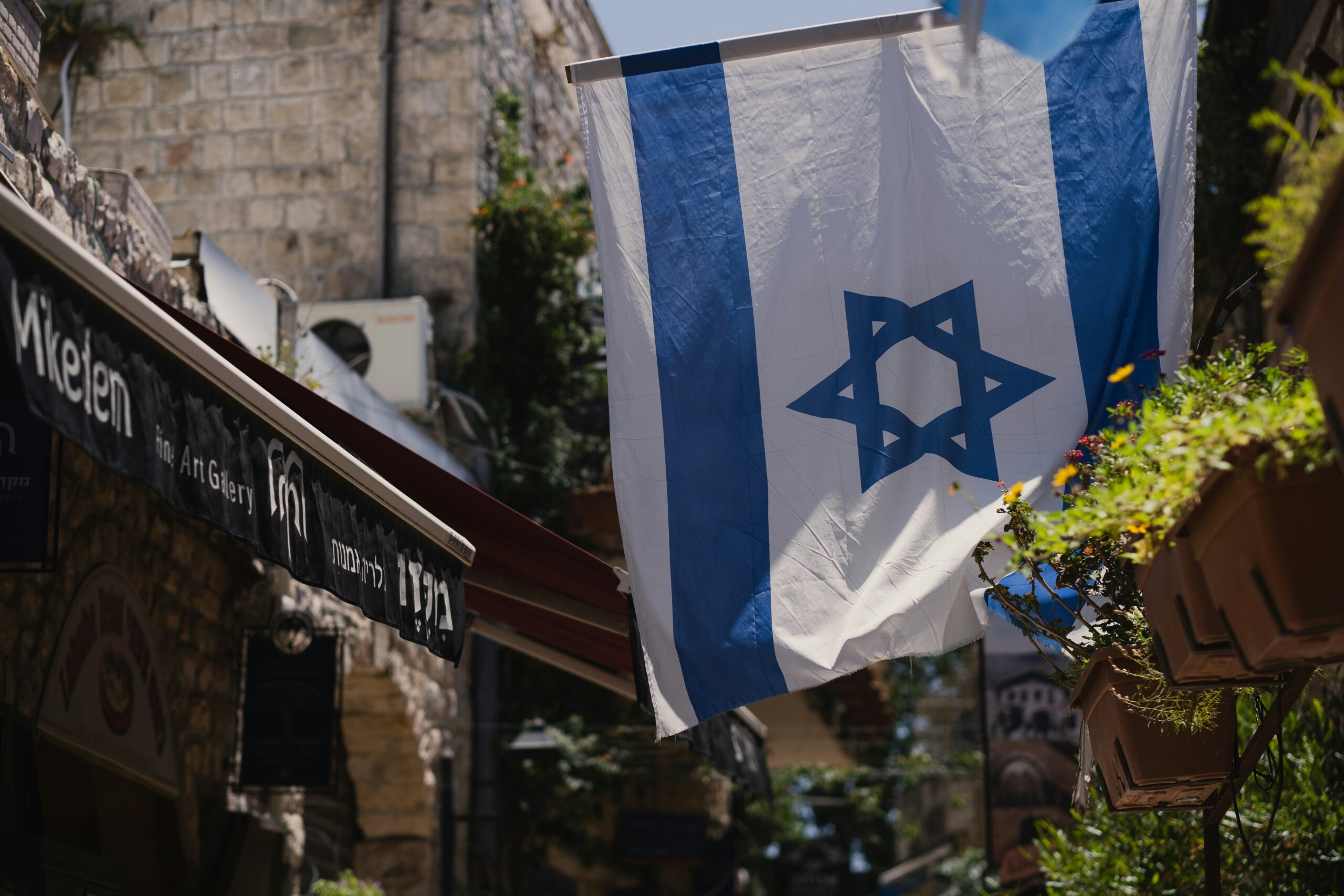
Student support for Israel is expanding across campuses in North America, Europe, Latin America, and parts of Asia. Young people are speaking out in classrooms, organizing campus events, and engaging in public debate. This rise in support reflects deeper global shifts in how students view democracy, security, identity, and international partnerships.
Today’s students grow up in a world shaped by instant news and social media. They follow global events in real time. When conflict or political tension affects Israel, many feel a personal connection and a sense of responsibility to respond. Their engagement is not limited to one region or culture. It is part of a broader movement that blends civic interest with global awareness.
A Generation Shaped by Global Connectivity
Students today are more connected than any previous generation. They read international news on their phones and follow cross-border discussions. This constant exposure builds awareness of global conflicts and alliances. Many students learn about Israel not only through traditional media but also through online lectures, digital archives, and direct conversations with peers abroad.
This global access shapes how students understand complex issues. They compare sources and examine different viewpoints. When they see misinformation or one-sided narratives, some choose to challenge them. Their support for Israel often grows from this process of research and comparison. They want to base their opinions on facts rather than slogans.
Shared Democratic Values
Many students view Israel through the lens of democratic principles. They see it as a country with elections, an independent judiciary, and a lively press. In regions where democracy feels fragile, these features stand out. Students who value civil liberties and political debate often express solidarity with nations that reflect similar ideals.
Support also stems from the belief in self-determination. Students who study history understand the importance of national identity and sovereignty. They recognize Israel as a state founded after years of struggle and displacement. For some, backing Israel means defending the broader principle that nations have the right to exist in security and peace.
Rising Awareness of Antisemitism
Reports of antisemitism in different parts of the world have influenced student activism. Many young people reject prejudice and discrimination in all forms. When they see Jewish communities facing hostility, they respond with public statements, educational events, and campus gatherings.
This reaction often connects to support for Israel. Students see attacks on Jewish identity and attacks on Israel as linked in certain contexts. They organize discussions about Jewish history and culture to counter stereotypes. Their goal is to promote understanding and protect classmates who may feel vulnerable.
Academic Interest in Middle East Politics
University courses on international relations and history have expanded in recent years. Students study the Middle East in greater depth than before. They examine treaties, peace efforts, and regional conflicts with close attention. This academic exposure often leads to a more nuanced understanding of Israel’s position in a complex region.
As students explore these topics, some develop sympathy for Israel’s security concerns. They analyze the challenges posed by hostile groups and unstable borders. They also study diplomatic efforts aimed at peace. This deeper knowledge can strengthen support among students who value careful research over quick judgment.
The Role of Cultural Exchange
Cultural exchange programs have also contributed to increased support. Students travel abroad for study programs and internships. Some visit Israel and experience its diverse society firsthand. They meet people from different religious and ethnic backgrounds who share daily life in cities and towns.
These personal encounters can leave a strong impression. Students return home with stories that challenge simple narratives. They describe vibrant universities, technology hubs, and cultural festivals. Such experiences humanize a country often viewed only through the lens of conflict. This direct exposure shapes attitudes in lasting ways.
Social Media and Digital Advocacy
Social media has changed how students organize and express support. Online platforms allow them to share articles, host live discussions, and connect with peers worldwide. When global events unfold, students respond within minutes. They post statements, create videos, and coordinate online forums.
Digital tools also help students counter false information. They link to research, highlight primary sources, and invite experts to speak in virtual sessions. While online spaces can become heated, many student groups work to maintain respectful dialogue. They understand that tone and accuracy matter when representing their views.
A Desire for Balanced Debate
In many countries, students feel that conversations about Israel lack balance. They believe that some campus discussions focus heavily on criticism without equal attention to context. This perception motivates them to organize events that present additional perspectives.
They invite speakers who discuss Israel’s history, legal system, and security concerns. They host debates in which multiple viewpoints can be heard. Their aim is not to silence disagreement but to broaden the conversation. This push for balance has drawn new participants into the discussion, including students who previously stayed silent.
Identity and Community Ties
For Jewish students, support for Israel often connects to family history and cultural identity. Many grow up hearing stories about migration, survival, and community building. Israel holds both symbolic and political significance. When global tensions rise, these personal ties can deepen engagement.
Non-Jewish students also form connections through friendships and shared campus life. Exposure to different cultures encourages empathy. As students learn more about Jewish traditions and Israeli society, some feel a sense of solidarity. This blend of identity and friendship strengthens support networks worldwide.
Influence of International Events
Global events often act as turning points. When conflict escalates or diplomatic agreements are announced, students react. They organize rallies, publish opinion pieces, and join panel discussions. These moments draw attention and spark new interest among peers.
At the same time, major events prompt deeper reflection. Students ask questions about peace, justice, and long-term solutions. Some conclude that supporting Israel’s right to exist in safety aligns with their broader values. Others focus on encouraging dialogue and peaceful coexistence. Either way, international developments keep the issue in the spotlight.
Leadership and Civic Engagement
Student activism builds leadership skills. Young people who support Israel often take on roles that require planning and communication. They coordinate events, manage social media accounts, and speak at public gatherings. These responsibilities demand discipline and clarity.
Through this work, students gain confidence in civic participation. They learn how to present arguments calmly and listen to opposing views. These skills extend beyond one issue. As graduates, many continue to engage in global affairs and community service. Their early activism shapes their long-term outlook.
Looking Ahead
The growth of student support for Israel worldwide reflects broader trends in global awareness and civic involvement. Students today feel connected to events far beyond their own borders. They study history, analyze current affairs, and form opinions based on both research and personal experience.
As campuses remain spaces for debate and discovery, student voices will continue to influence the conversation. Support for Israel may take different forms in different regions, but the underlying themes remain clear. Young people value democracy, identity, and informed dialogue. Their engagement ensures that discussions about Israel remain active, thoughtful, and global in scope.