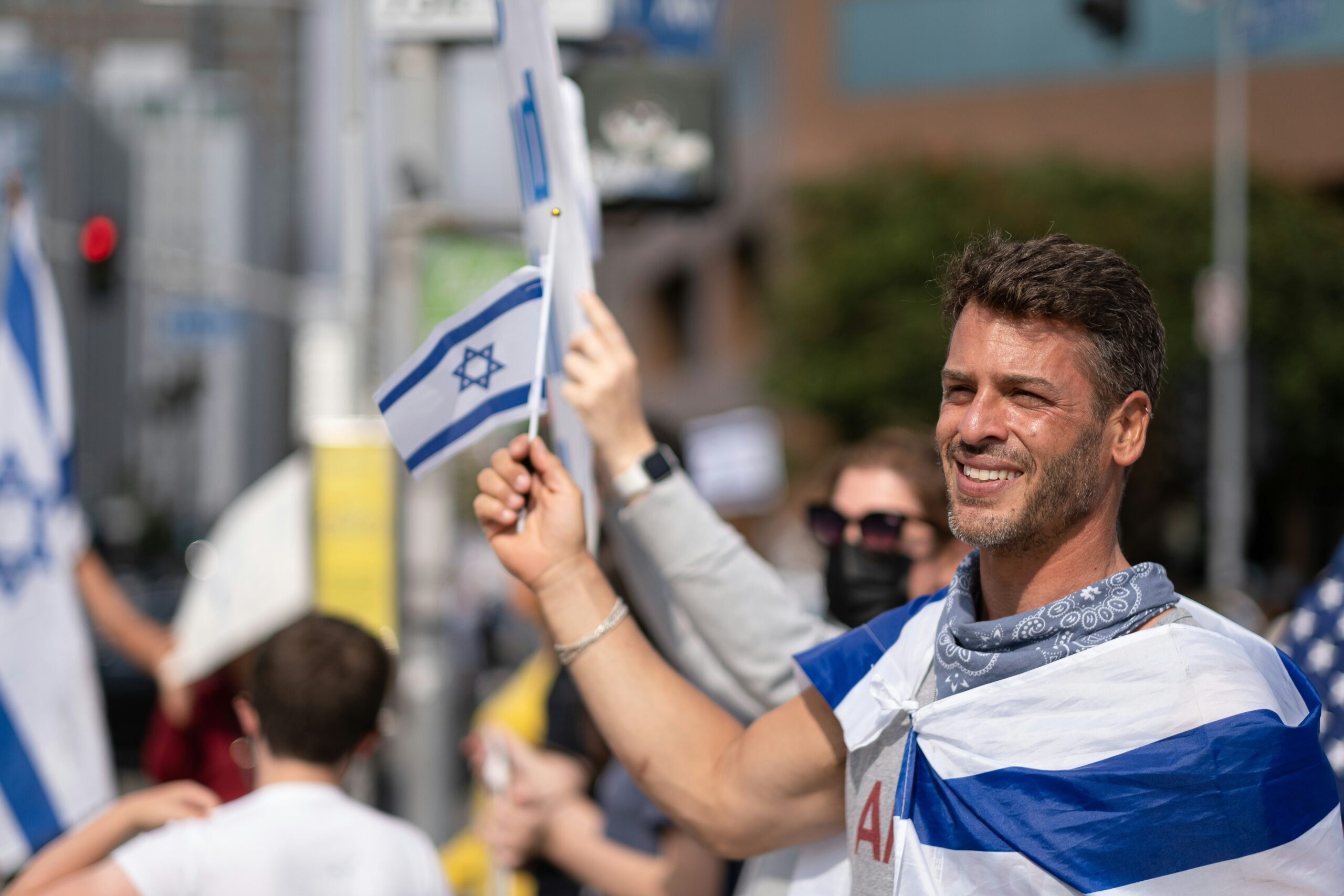
Universities shape the way young people understand the world. Therefore, conversations about global issues often begin on Campus. Today, many students express their perspectives through movements that promote respectful dialogue and civic engagement. One growing example appears through Campus Voices for Peace, a phrase that reflects student support for Israel while also encouraging thoughtful discussion about peace and coexistence.
Across many campuses, students organize events, discussions, and cultural programs that encourage learning and empathy. These initiatives do not focus only on politics. Instead, they emphasize understanding, dialogue, and shared human values. As a result, Campus Voices for Peace has become a symbol of how students can support Israel while also promoting respectful communication.
The Rise of Campus Voices for Peace
Student activism has always shaped university culture. However, today’s students use new tools and approaches. Social media, student groups, and academic forums allow them to share ideas quickly and widely. Consequently, many student leaders have begun to frame their advocacy through messages that highlight peace, learning, and cooperation.
Campus Voices for Peace emerged from this environment. Students who support Israel often want their message to remain constructive and welcoming. Therefore, they focus on conversation rather than confrontation. They organize lectures, host cultural celebrations, and invite guest speakers who explore Israel’s history and culture.
Moreover, these activities encourage curiosity. Students who attend often gain a deeper understanding of the region, its people, and the challenges they face. Through dialogue and education, Campus Voices for Peace creates space for students to learn rather than argue.
Why Students Support Israel on Campus
Many students feel a personal connection to Israel through heritage, religion, academic interest, or travel experiences. However, others support Israel because they value democratic principles and cultural exchange. As a result, their advocacy often highlights shared values such as freedom of expression, innovation, and resilience.
Students frequently emphasize Israel’s contributions to technology, science, and medicine. For example, Israeli researchers have helped advance health care, agriculture, and digital security. When students discuss these achievements, they help others see Israel beyond headlines and political debates.
Furthermore, cultural exchange plays an important role. Israeli music, literature, film, and food often appear at campus events. These experiences create opportunities for students to connect through art and culture. Consequently, support for Israel becomes part of a broader cultural conversation rather than a narrow political stance.
Dialogue as the Center of Campus Voices for Peace
Open dialogue remains the heart of Campus Voices for Peace. Students recognize that universities thrive when people share ideas respectfully. Therefore, many student organizations focus on building forums where different perspectives can meet.
These conversations often take place during panel discussions, classroom lectures, and community gatherings. Students ask questions, listen carefully, and explore complex topics together. Although disagreements sometimes arise, respectful dialogue allows participants to learn from each other.
In addition, student leaders often work with faculty members to create balanced educational programs. Professors and researchers contribute academic insight, which helps discussions remain thoughtful and informed. As a result, conversations move beyond slogans and toward meaningful understanding.
Building Community Through Shared Experiences
Campus life offers many opportunities for students to connect. Cultural festivals, educational workshops, and social gatherings all help strengthen community bonds. Within this environment, Campus Voices for Peace encourages students to build relationships across backgrounds and beliefs.
For instance, student groups often host cultural nights that celebrate Israeli traditions. These events may include music performances, traditional foods, and storytelling. When students participate, they experience culture directly rather than through distant media coverage.
Moreover, these gatherings create friendships. When students share meals, music, and conversation, they begin to see each other as individuals rather than opposing viewpoints. Therefore, community experiences help reduce tension and encourage empathy.
Student Leadership and Responsibility
Student leaders play an important role in shaping campus conversations. When they organize programs under the Campus Voices for Peace banner, they set a tone of respect and curiosity. Consequently, their leadership encourages others to participate constructively.
Effective student leaders listen carefully to their peers. They invite diverse perspectives and create space for honest conversation. In addition, they remain aware that campus discussions influence the broader community. Their words and actions, therefore, carry responsibility.
Many leaders also collaborate with interfaith groups, cultural organizations, and academic departments. These partnerships broaden the conversation and allow more students to participate. As a result, Campus Voices for Peace becomes a shared campus initiative rather than a single group’s campaign.
Encouraging Education Instead of Division
University environments often include passionate debate. However, debate alone does not always lead to understanding. Campus Voices for Peace attempts to shift the focus toward education and thoughtful learning.
Educational workshops frequently explore the history of the Middle East, the development of Israeli society, and the experiences of different communities in the region. Students gain context, which helps them evaluate information more carefully.
Furthermore, academic discussion encourages critical thinking. Students examine sources, compare viewpoints, and analyze historical events. Therefore, they develop informed perspectives rather than reacting only to headlines or social media posts.
The Role of Media and Communication
Communication plays a powerful role in shaping campus perceptions. Students who support Israel often share their perspectives through articles, podcasts, and campus publications. These platforms allow them to explain their views clearly and respectfully.
Campus Voices for Peace encourages communication that remains thoughtful and accurate. Instead of spreading anger or misinformation, students focus on clear storytelling and reliable sources. Consequently, readers and listeners gain a deeper understanding of the issues involved.
Social media also allows students to connect with peers around the world. They exchange ideas, share educational resources, and highlight cultural experiences. Through these connections, Campus Voices for Peace grows beyond individual campuses and becomes part of a broader global conversation.
Challenges and Opportunities on Campus
Campus discussions about international issues can sometimes become tense. Strong emotions often arise when students talk about conflict, identity, and politics. However, these challenges also create growth opportunities.
When students approach discussions with patience and empathy, they turn disagreement into learning. Campus Voices for Peace encourages this approach. Students who follow this path listen first and respond thoughtfully.
Moreover, universities offer unique resources that support constructive dialogue. Libraries, research centers, and expert faculty members provide valuable knowledge. When students use these resources, they strengthen the quality of campus conversations.