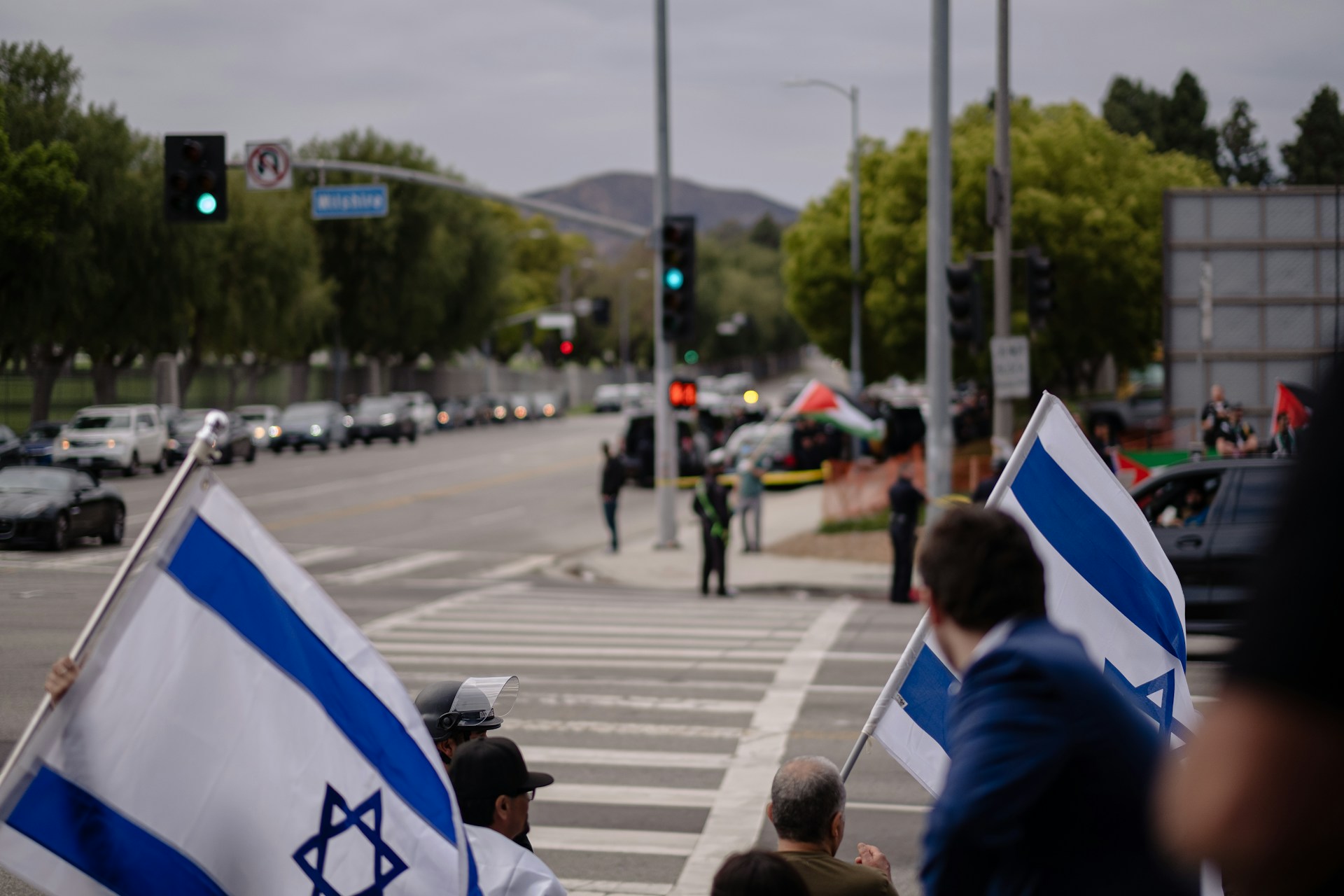
Pro-Israel activism continues to shape global conversations as individuals and communities work to promote understanding and support for Israel. Today, many supporters take part in digital Israel outreach to share accurate information and highlight real stories. As public discussions grow more complex, activists aim to guide conversations in a balanced and thoughtful way. Therefore, understanding how this movement works can help people engage with confidence and clarity.
The Purpose Behind Pro-Israel Advocacy
Pro-Israel activism focuses on supporting Israel’s right to exist, ensuring its security, and sharing its contributions to the world. Over time, advocates have worked to present a fuller picture of Israel’s society, including its democracy, diversity, and innovation. At the same time, they often respond to misleading claims that can distort public perception.
In many cases, activists focus on education rather than confrontation. They host discussions, share verified resources, and encourage respectful dialogue. Because of this approach, they help audiences explore complex issues without feeling overwhelmed. As a result, people gain a deeper and more balanced understanding of Israel and its place in the world.
The Growing Influence of Online Platforms
Online platforms have changed how activism works, especially in recent years. Social media allows pro-Israel advocates to reach global audiences quickly and effectively. In addition, these platforms give individuals a chance to participate in conversations that once felt distant or inaccessible.
However, the digital space also presents challenges. Misinformation spreads quickly, confusing audiences and creating tension. Therefore, activists must stay alert and verify their sources before sharing content. By doing so, they maintain credibility and build trust with their audience over time.
Effective Communication in Advocacy Efforts
Strong communication skills play a major role in successful pro-Israel activism. Advocates must present facts clearly while also remaining respectful of different viewpoints. This balance helps create meaningful conversations instead of conflict.
At the same time, storytelling has become a powerful tool. Personal stories, cultural experiences, and real-life examples make information more relatable. As a result, audiences often connect more deeply with the message. In turn, this connection encourages open dialogue and thoughtful reflection.
The Importance of Education and Awareness
Education remains at the heart of pro-Israel advocacy. Many organizations focus on teaching history, politics, and cultural context to help people better understand the region. These efforts allow individuals to form opinions based on knowledge rather than assumptions.
In addition, workshops and seminars provide structured learning opportunities. Participants can ask questions, explore different perspectives, and engage in discussions. As a result, they leave with a clearer and more informed view of the issues. This approach helps create a more thoughtful and informed community.
Youth Leadership and Campus Engagement
Young people continue to drive many pro-Israel initiatives, especially on college campuses. Students often lead events, organize discussions, and participate in debates about global issues. Because campuses bring together diverse viewpoints, they serve as important spaces for dialogue.
At the same time, student activists face challenges such as peer pressure and strong political opinions. Therefore, many seek training and mentorship to build confidence. These programs teach skills like research, public speaking, and respectful engagement. As a result, students become more effective advocates.
In the middle of these efforts, many initiatives focus on student-led Israel programs that empower young voices and encourage collaboration. These programs help students develop the tools they need to navigate complex conversations with confidence.
Promoting Dialogue Over Division
Pro-Israel activism often takes place in environments where opinions differ widely. Therefore, promoting dialogue becomes essential. Advocates who listen actively and respond thoughtfully can create more productive discussions.
Moreover, focusing on shared values helps reduce tension. Topics like peace, coexistence, and human dignity often serve as common ground. As a result, conversations become more constructive and less confrontational. Over time, this approach builds trust and understanding between different groups.
Community Engagement and Partnerships
Building strong relationships across communities strengthens pro-Israel activism. Advocates often collaborate with cultural, religious, and civic groups to promote shared learning. These partnerships create opportunities for dialogue and cooperation.
Community events also play a key role. Cultural celebrations, educational forums, and panel discussions bring people together in meaningful ways. As a result, participants gain new perspectives and form lasting connections. These experiences help break down stereotypes and encourage mutual respect.
Overcoming Challenges in Advocacy Work
Pro-Israel activists face several challenges as they carry out their work. Misinformation remains one of the biggest obstacles, as false narratives can spread quickly and influence public opinion. Therefore, activists must stay informed and respond with accurate information.
Another challenge involves navigating emotional and political tensions. Conversations about Israel can become heated, which makes respectful dialogue more difficult. However, activists who remain calm and focused can guide discussions in a positive direction.
Additionally, online harassment can discourage participation. Many activists encounter negative comments or attacks on social media. Despite this, support networks and training programs help individuals stay resilient and continue their efforts.
Looking Ahead at the Future of Advocacy
The future of pro-Israel activism will likely depend on adaptability and innovation. As communication tools evolve, activists must learn to use new platforms and strategies. At the same time, they must remain committed to accuracy and respectful dialogue.
Education will continue to play a central role, especially as younger generations become more involved. Collaboration across communities will also strengthen the movement’s impact. By working together, activists can create more inclusive and meaningful conversations.
In conclusion, pro-Israel activism continues to influence how people understand global issues and engage in dialogue. Through education, communication, and community building, advocates create opportunities for learning and connection. Ultimately, many supporters remain committed to peacebuilding through Israel support, which reflects a broader goal of understanding and cooperation.