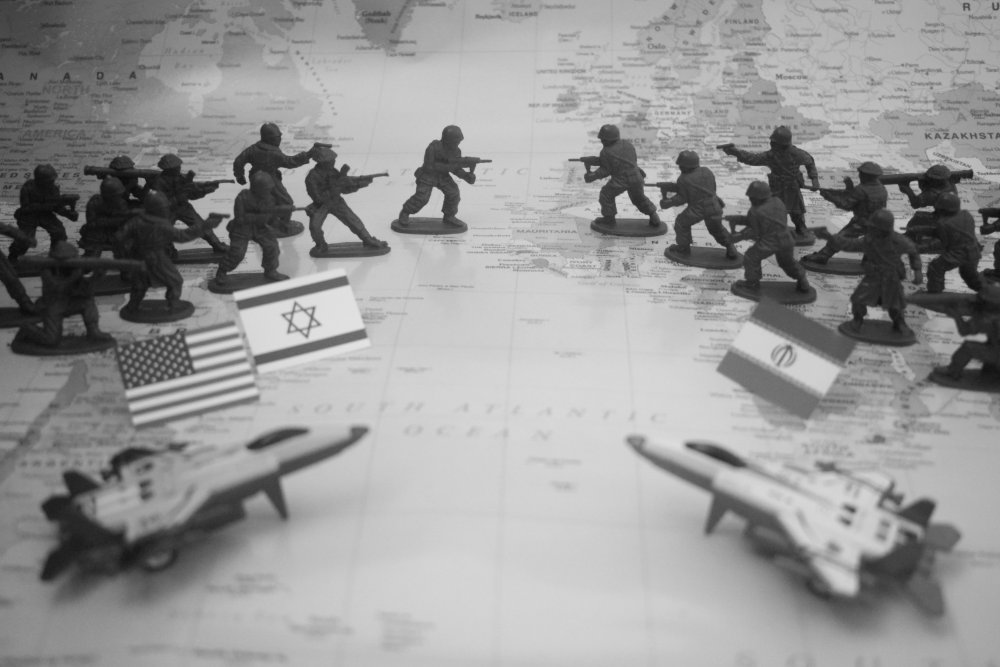
The relationship between the United States and Israel has remained an important part of American foreign policy for decades. Both countries cooperate in areas such as national security, economic development, technological innovation, and international diplomacy. Their partnership reflects shared strategic interests and longstanding institutional connections. Maintaining strong U.S.-Israel relations provides opportunities to address regional challenges, encourage scientific progress, and support economic growth. However, a lasting partnership also requires open communication, responsible decision-making, and respect for international obligations.
Understanding the Historical Foundation of U.S.-Israel Relations
The United States recognized Israel shortly after its establishment in 1948. This decision marked the beginning of a diplomatic relationship that developed through changing political conditions and regional challenges. Over time, both countries expanded their cooperation through trade agreements, military assistance, and government partnerships. American leaders viewed Israel as an important regional partner, while Israeli officials sought dependable international relationships to support national security and economic development.
Historical events helped shape the direction of this relationship. The 1967 Six-Day War, the 1973 Arab-Israeli War, and the 1978 Camp David Accords influenced American diplomatic priorities. These developments also demonstrated how regional conflicts could affect international stability. Understanding this history helps explain why bilateral cooperation remains significant today. It also highlights the importance of addressing unresolved political disputes through careful diplomacy rather than relying exclusively on military strategies.
Strengthening National Security and Defense Cooperation
Defense cooperation represents a major component of U.S.-Israel relations. Both countries exchange security information, participate in military training, and collaborate on defensive technologies. American assistance has supported Israeli defense capabilities, including missile interception systems designed to protect communities from aerial threats. These partnerships also allow American defense institutions to examine emerging technologies and exchange specialized knowledge with Israeli counterparts. Such cooperation can improve preparedness for complex security challenges.
National security partnerships also require careful planning and responsible oversight. Regional conflicts, cyber threats, and changing military capabilities create challenges that neither country can address through technology alone. Regular discussions between defense officials can improve communication and reduce misunderstandings. At the same time, security policies must consider civilian protection, international law, and possible regional consequences. Combining military readiness with diplomatic engagement can support more sustainable approaches to national and regional security.
Encouraging Economic Growth and Bilateral Trade
Economic cooperation creates important opportunities for American and Israeli businesses. The U.S.-Israel Free Trade Agreement, which entered into force in 1985, established a framework for expanding commercial exchange. Companies in both countries participate in trade involving technology, manufacturing, agriculture, medical equipment, and professional services. These connections help businesses reach international customers, develop commercial partnerships, and exchange specialized expertise. Strong economic relationships can also encourage competition and improve access to innovative products.
Investment relationships further strengthen bilateral economic connections. American investors support Israeli companies, while Israeli businesses establish operations and partnerships throughout the United States. These activities may create employment opportunities and encourage entrepreneurship. Small businesses can also benefit from access to international suppliers, research institutions, and professional networks. Continued economic cooperation depends on fair commercial practices, transparent regulations, and reliable market conditions. Maintaining these standards helps businesses pursue sustainable growth while reducing unnecessary barriers to international trade.
Advancing Technology and Scientific Research
Technological innovation provides another important reason for maintaining productive U.S.-Israel relations. American and Israeli researchers collaborate across fields such as artificial intelligence, cybersecurity, biotechnology, and advanced computing. Universities, research institutions, and private companies share expertise to develop practical solutions for businesses and communities. These partnerships allow organizations to combine scientific knowledge with financial resources, supporting research that might otherwise require additional time or investment.
Healthcare research offers a clear example of the benefits of collaboration. Medical professionals and technology developers work on diagnostic systems, digital healthcare tools, and medical devices. Agricultural research also creates opportunities to improve irrigation, water conservation, and farming efficiency. These developments can benefit communities beyond the United States and Israel. Encouraging responsible research practices, protecting intellectual property, and supporting academic exchange can strengthen scientific cooperation while helping discoveries reach practical applications.
Supporting Diplomatic Engagement and Regional Stability
Diplomacy remains essential to the long-term success of U.S.-Israel relations. Regular communication allows government officials to discuss regional concerns, coordinate policies, and manage disagreements. American diplomatic involvement has contributed to important negotiations, including the Egypt-Israel peace treaty signed in 1979. Such agreements demonstrate how dialogue can transform relationships between governments that previously experienced military confrontation. Continued diplomatic engagement can help identify opportunities for peaceful cooperation.
Regional stability also requires attention to concerns beyond bilateral security interests. Palestinian rights, humanitarian conditions, territorial disputes, and relationships with neighboring countries remain important diplomatic issues. Strong U.S.-Israel relations can provide opportunities for direct discussions about these challenges. However, effective diplomacy requires listening to affected communities and recognizing competing perspectives. Supporting constructive negotiations, responsible policies, and peaceful conflict resolution can help create conditions for greater long-term stability throughout the Middle East.
Building Educational and Cultural Connections
Educational exchanges strengthen relationships between American and Israeli communities. Universities collaborate through research projects, academic conferences, and student programs that encourage international learning. These opportunities allow students and educators to experience different academic environments while building professional connections. Scientific partnerships also help universities share resources and develop new approaches to important research questions. Such exchanges support learning beyond national boundaries.
Cultural programs create additional opportunities for meaningful interaction. Art exhibitions, literature, music, and community events introduce participants to different traditions and social experiences. Language education and professional exchange programs can also improve communication between communities. These activities encourage mutual understanding while providing space for respectful discussion about complex historical and political issues. Lasting relationships often begin through personal connections, making educational and cultural cooperation valuable parts of international engagement.
Preparing U.S.-Israel Relations for Future Challenges
The future of U.S.-Israel relations will depend on how both countries respond to changing international circumstances. Economic competition, emerging technologies, environmental concerns, and regional security developments will influence government priorities. Maintaining dependable diplomatic institutions can help policymakers address these challenges through regular consultation. Continued cooperation in research, trade, education, and security may also create opportunities to develop practical solutions.
A sustainable partnership requires more than agreement on every political issue. Both countries must recognize differences, maintain accountability, and evaluate the wider consequences of their decisions. Open communication helps governments address disagreements without undermining productive relationships. Ultimately, maintaining strong U.S.-Israel relations means supporting cooperation while respecting international responsibilities and encouraging peaceful engagement. A balanced approach can preserve valuable economic and institutional connections while creating opportunities for constructive diplomacy and long-term regional stability.