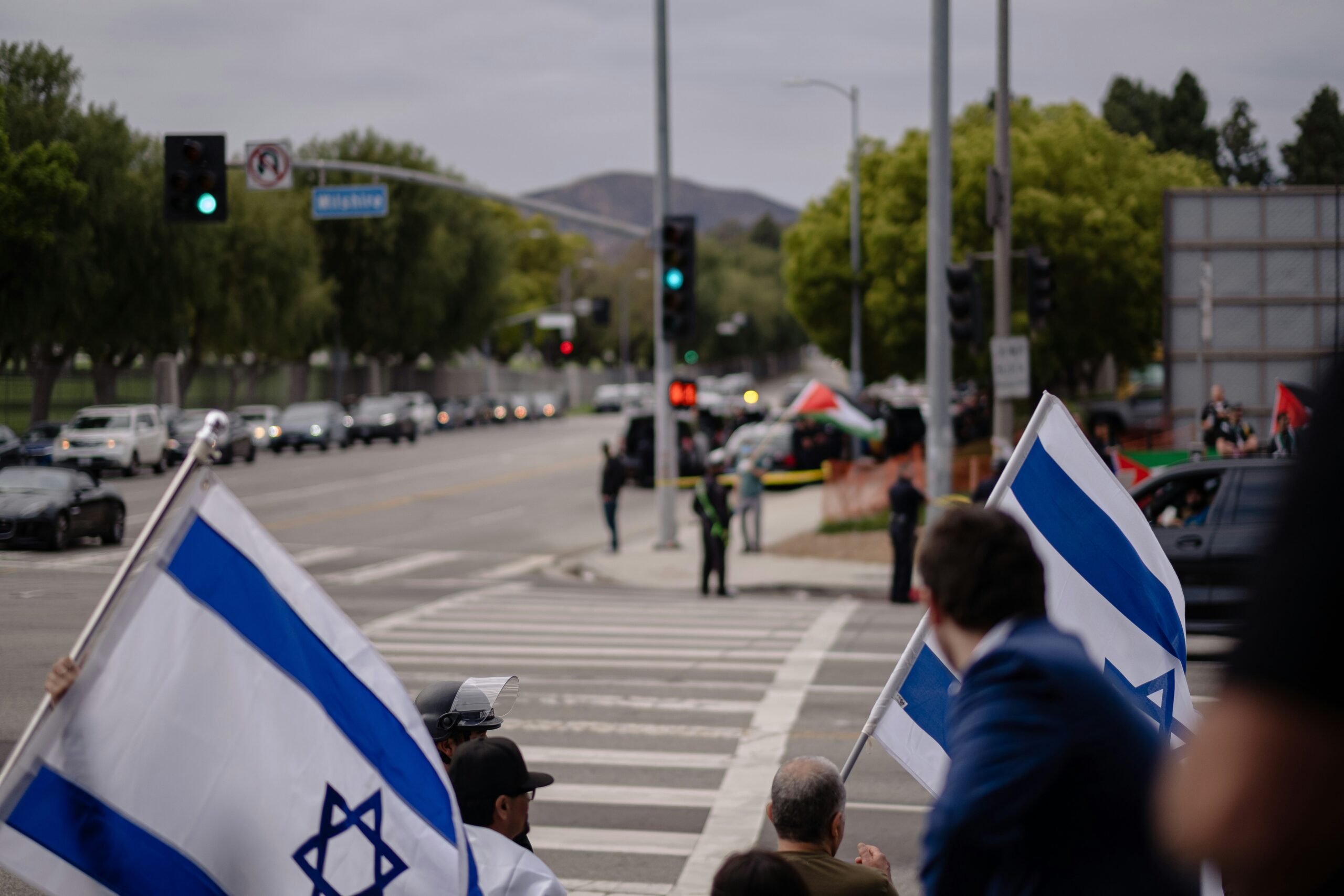
Student support for Israel has become an important part of campus discussion at colleges and universities. Students who identify with this cause may participate for cultural, historical, religious, political, or personal reasons. Some focus on Israel’s security and right to exist, while others emphasize education, cultural exchange, democratic participation, or stronger understanding of Israeli society. Therefore, student engagement can take many forms depending on the community and the goals of those involved.
At the same time, conversations about Israel and the Israeli-Palestinian conflict often involve deeply held beliefs and emotional experiences. For that reason, students who support Israel can benefit from careful research, respectful communication, and responsible advocacy. By focusing on education and constructive dialogue, students can express their views while helping create a campus environment where difficult topics receive thoughtful attention.
Understanding Student Support for Israel
Student support for Israel generally includes activities that promote awareness of Israeli history, society, security concerns, culture, and international relationships. Students may organize educational programs, participate in campus discussions, celebrate Israeli culture, or learn more about developments affecting the country.
However, support for Israel does not require agreement with every policy of an Israeli government. Students can support Israel’s existence and security while also debating government decisions. In fact, recognizing this difference can lead to more informed discussions because it separates support for a country from support for every action taken by its political leaders.
Making Education the Foundation of Campus Engagement
Education plays a major role in effective student advocacy. Before discussing complicated political issues, students benefit from understanding the historical events, diplomatic efforts, wars, peace agreements, social movements, and regional relationships that have shaped Israel and its neighbors.
Additionally, students should learn about Palestinian history and perspectives when discussing the broader conflict. This knowledge provides important context and helps prevent oversimplification. As a result, students can answer questions more carefully and participate in conversations with a deeper understanding of the issues involved.
Creating Opportunities for Constructive Dialogue
Campus communities bring together people with different backgrounds and opinions. Therefore, disagreements about Israel are likely to occur. Students can make these conversations more productive by focusing on facts, asking thoughtful questions, and listening carefully to opposing viewpoints.
Respectful dialogue does not require students to abandon strongly held beliefs. Instead, it allows them to explain those beliefs without treating disagreement as a personal attack. When participants remain calm and focus on ideas, discussions can become opportunities for education rather than sources of unnecessary conflict.
Sharing Israeli Culture Beyond Politics
Political debates often dominate conversations about Israel. However, Israeli society also includes diverse traditions, communities, languages, artistic movements, foods, music, literature, science, and entrepreneurship.
Students can broaden campus awareness by organizing cultural programs that introduce these aspects of Israeli life. For example, educational events centered on art, food, technology, history, or language can create different ways for people to engage with the subject. Consequently, campus understanding of Israel can extend beyond news headlines and political controversy.
Using Social Media Responsibly
Social media gives students a powerful way to participate in public conversations. They can share articles, educational resources, event announcements, videos, and personal reflections with large audiences.
However, digital platforms also spread misinformation quickly. For this reason, students should verify photos, statistics, quotations, and breaking news before sharing them. Furthermore, responsible communication means avoiding personal harassment and inflammatory claims. Accurate information strengthens credibility, while careless posts can damage both an individual advocate and the wider cause.
Building Connections Through Campus Organizations
Campus organizations can provide an important sense of community for students interested in Israel. These groups may organize discussions, educational programs, cultural celebrations, guest speakers, or opportunities for students to connect with others who share similar interests.
Moreover, student organizations can encourage leadership development. Members may learn how to organize events, communicate with university administrators, manage projects, speak publicly, and work with other groups. These skills can remain valuable long after students leave college.
Responding to Antisemitism With Care
Some students who support Israel also become involved in efforts to address antisemitism. Jewish students can face stereotypes, harassment, conspiracy theories, or discrimination, and universities have a responsibility to maintain safe educational environments for all students.
At the same time, criticism of Israel or Israeli government policy should not automatically be described as antisemitism. Context matters. Students can strengthen efforts against genuine antisemitism by distinguishing political criticism from attacks based on Jewish identity, harmful stereotypes, or discriminatory treatment.
Respecting Palestinian Students and Perspectives
Student support for Israel can remain strong while also recognizing the experiences and dignity of Palestinians. Palestinian students may have family histories, personal experiences, and political views that differ greatly from those of pro-Israel students.
Therefore, respectful campus engagement should leave room for people to express those experiences. Recognizing Palestinian concerns does not require students to abandon support for Israel. Instead, acknowledging the humanity and concerns of different communities can create more thoughtful discussions about security, rights, diplomacy, and peace.
Encouraging Peaceful Civic Participation
Students have many lawful ways to express their political views. They may attend discussions, organize peaceful events, publish opinion articles, communicate with public officials, or participate in recognized campus organizations.
However, effective civic participation requires responsibility. Students should follow campus policies, respect the rights of others, and avoid intimidation or harassment. Peaceful advocacy allows students to communicate their priorities while maintaining an environment where other people can also express their opinions.
Developing Leadership Through Advocacy
Campus engagement can help students build leadership skills that extend beyond political advocacy. Organizing events requires planning, cooperation, budgeting, communication, and problem-solving.
Furthermore, students often learn how to speak with audiences who may disagree with them. Developing the ability to explain complex ideas clearly and respectfully can strengthen leadership skills in professional, academic, and community settings.
Building Long-Term Understanding on Campus
Student support for Israel can have its strongest impact when it focuses on education rather than confrontation. Cultural programs, informed discussions, reliable resources, and respectful relationships can create lasting understanding.
Ultimately, campus advocacy works best when students combine strong convictions with curiosity and respect. By learning about Israel, listening to different perspectives, challenging misinformation, and supporting peaceful dialogue, students can participate meaningfully in one of the most complex conversations found on college campuses.