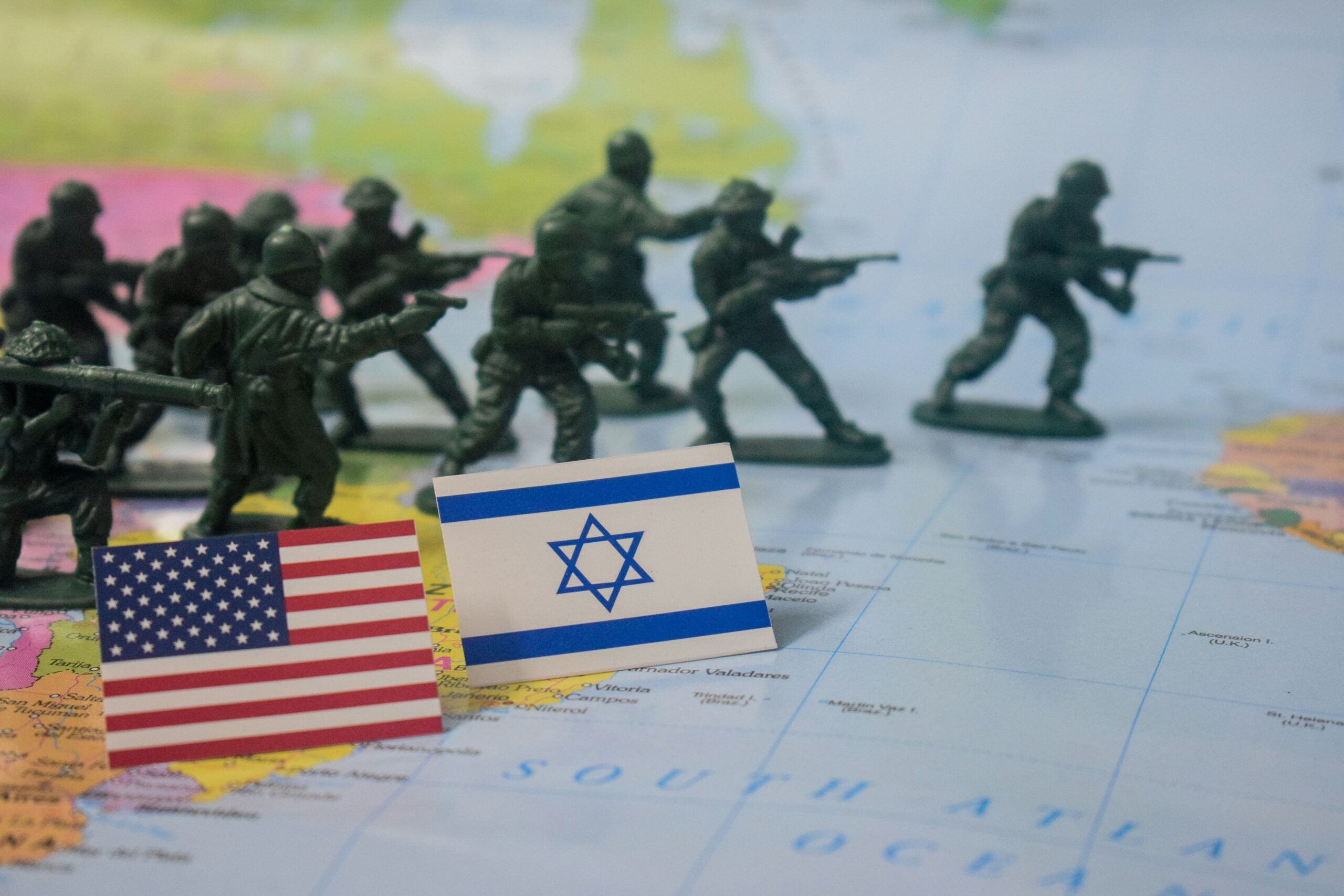
Security cooperation has played a central role in relations between the United States and Israel for decades. The partnership includes military assistance, defense technology development, intelligence exchanges, training, and regular strategic discussions. U.S. policymakers have traditionally viewed Israel’s security as an important part of American policy in the Middle East. At the same time, Israeli defense officials have relied on cooperation with the United States to strengthen military readiness and respond to changing regional threats.
Today, this relationship operates through several formal programs and government channels. The United States and Israel hold political and military discussions about security concerns, defense planning, and emerging risks. Their cooperation also includes joint exercises, research, weapons development, and counterterrorism exchanges. The U.S. State Department has described these activities as major elements of the bilateral security relationship.
Military Assistance Provides a Financial Foundation
One of the clearest parts of U.S.-Israel security cooperation is American military assistance. In 2016, the two governments signed a 10-year Memorandum of Understanding covering fiscal years 2019 through 2028. Under the agreement, the United States pledged $38 billion in security assistance over that period. The framework includes $3.3 billion each year in Foreign Military Financing and $500 million annually for cooperative missile defense programs, subject to congressional appropriations.
Foreign Military Financing helps Israel purchase eligible American defense equipment, services, and training. These arrangements give Israeli forces access to advanced U.S. systems while strengthening long-term connections between the countries’ defense establishments. U.S. law also addresses Israel’s qualitative military edge, which generally refers to its ability to counter credible military threats with superior capabilities. This policy influences American reviews of certain arms transfers in the Middle East.
Missile Defense Shows the Technology Connection
Missile defense provides one of the most visible examples of joint defense work. The United States has helped fund systems including Iron Dome, David’s Sling, and the Arrow family of missile defense programs. These systems address different types and ranges of aerial threats. Cooperation involves more than financial assistance because American and Israeli organizations have also participated in research, development, testing, and production related to missile defense technology.
The relationship can also produce technological benefits for the United States. Congressional Research Service reporting notes that the U.S. military has purchased Israeli defense technologies and that American firms participate in production connected with some jointly developed systems. For example, elements of David’s Sling have involved cooperation between Israeli defense company Rafael and U.S.-based RTX. Such arrangements illustrate how security cooperation can create two-way technology and industrial links rather than functioning only as a transfer of assistance.
Joint Exercises Strengthen Military Coordination
Military exercises give American and Israeli forces opportunities to practice coordination before an actual emergency occurs. Training can help personnel understand communication procedures, command structures, equipment capabilities, and operational methods used by the other country. The State Department identifies joint military exercises as a continuing element of U.S.-Israel defense cooperation. These activities can also test whether military systems from both countries can operate effectively together.
Interoperability has become particularly important as modern defense operations rely on aircraft, sensors, communications networks, missile defenses, and other connected systems. Exercises can reveal technical or procedural problems before they affect real operations. They also allow military leaders to review lessons and adjust planning. However, exercises do not mean the two countries share identical policies or automatically participate in each other’s military operations. Political leaders retain authority over national decisions concerning the use of force.
Intelligence and Counterterrorism Add Another Layer
Security cooperation extends beyond weapons and military training. American and Israeli agencies have also exchanged information and practices related to terrorism and other regional security concerns. The countries have used strategic discussions and counterterrorism channels to address shared threats. State Department reporting has documented intelligence sharing and exchanges of counterterrorism practices between the two governments, although specific intelligence activities are often not publicly described in detail.
This cooperation can help officials identify threats, understand regional networks, and coordinate responses. Financial intelligence is another relevant area because governments increasingly track the movement of funds connected with designated terrorist organizations. Still, intelligence relationships require careful management. Each government has its own laws, intelligence priorities, security procedures, and national interests. Therefore, cooperation depends on continuing communication as well as decisions about what information can be shared and how it may be used.
Regional Threats Influence Security Planning
The security partnership operates within a complicated Middle Eastern environment. American and Israeli officials have discussed threats involving Iran, armed groups, missile proliferation, terrorism, drones, and other military challenges. Strategic dialogues allow officials to compare assessments and discuss how changing technology or regional developments could affect security planning. These conversations can influence military procurement, missile defense investment, training priorities, and research programs.
Regional cooperation has also expanded beyond strictly bilateral discussions. In recent years, U.S. policy has supported stronger connections between Israel and several Arab governments. Supporters of greater regional security coordination argue that communication and integrated defensive capabilities can improve responses to shared threats. At the same time, regional disputes, the Israeli-Palestinian conflict, and wars involving Israel continue to create major political and humanitarian challenges that shape American debate about the scope and terms of security cooperation.
Oversight Remains Part of the Partnership
U.S. security assistance does not operate separately from American law and congressional oversight. Arms transfers and military assistance are governed by statutes, appropriations decisions, and executive branch procedures. U.S. departments conduct end-use monitoring for defense articles transferred abroad. Congressional debates have also addressed proposed arms sales, emergency authorities, civilian harm concerns, and the conditions under which military equipment should be supplied or used.
These debates show that security cooperation involves both strategic commitments and continuing policy questions. Supporters emphasize deterrence, missile defense, intelligence cooperation, and regional security. Critics and some lawmakers have raised questions about arms-transfer oversight, civilian protection, compliance with U.S. law, and the appropriate level or conditions of assistance. As a result, the U.S.-Israel security partnership remains both a practical defense relationship and a subject of ongoing democratic debate. Its future will continue to reflect security needs, regional developments, legal requirements, technological change, and decisions made by elected governments.